
The Resource Library
The Personal World
Personal Growth • Emotional Resilience • Values and Beliefs
Knowing yourself is the beginning of all wisdom.
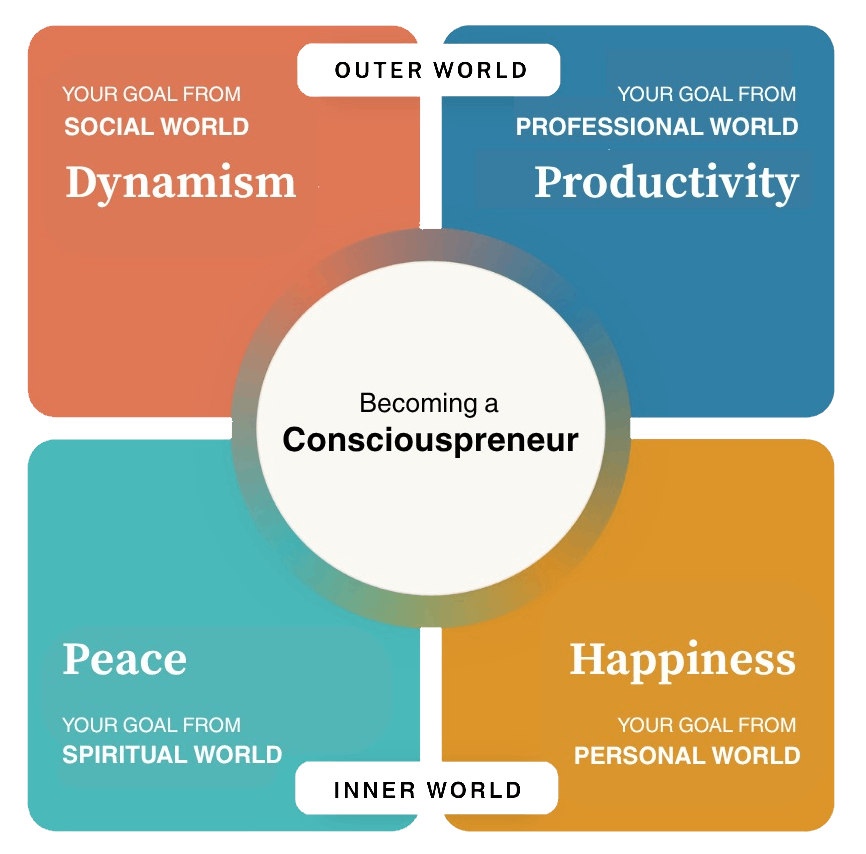
Everyone's goal in life is to achieve happiness. Attaining this happiness involves focusing on personal growth, emotional resilience, and aligning with one's values and beliefs.
Personal Growth
Personal Growth
Setting and Achieving Realistic Personal and Professional Goals
Personal growth begins with setting clear, achievable goals. These goals serve as a roadmap for your journey, guiding your actions and decisions. Whether they are related to your career, relationships, or personal development, setting specific, measurable, and realistic goals is the first step toward meaningful progress.
Embracing Lifelong Learning and Skill Development
Lifelong learning is a cornerstone of personal growth. By continuously seeking new knowledge and developing skills, you expand your horizons and remain adaptable in a changing world. This commitment to learning can take many forms, from formal education and training to self-study and exploring new interests.
Cultivating a Positive and Growth-Oriented Mindset
A growth mindset, as opposed to a fixed mindset, is crucial for personal development. Embracing challenges, viewing failures as opportunities to learn, and believing in your ability to improve are key aspects of this mindset. Cultivating a positive attitude toward growth enables you to overcome obstacles and pursue your goals with resilience and determination.
Reflecting on Personal Experiences to Gain Insights
Reflection is an essential part of personal growth. By regularly reflecting on your experiences, you can gain valuable insights into your strengths, weaknesses, and areas for improvement. This process of self-examination helps you learn from your past, make informed decisions, and chart a course for future growth.
Challenging Limiting Beliefs and Expanding Perspectives
Personal growth often involves challenging the limiting beliefs that hold you back. These are the negative thoughts and assumptions that prevent you from reaching your full potential. By questioning these beliefs and expanding your perspectives, you can break free from self-imposed limitations and explore new possibilities.
Seeking Opportunities for Self-Improvement and Transformation
Personal growth is an ongoing journey of self-improvement. Actively seeking opportunities for growth—whether through new experiences, challenges, or learning opportunities—helps you evolve and transform. This proactive approach to personal development ensures that you continue to grow and adapt throughout your life.
That which does not kill us makes us stronger.
— Friedrich Nietzsche
Do you know your emotional triggers...?
Emotional Resilience
Emotional Resilience
Understanding and Managing Emotional Triggers
Emotional resilience begins with understanding what triggers your emotions and learning how to manage them effectively. By identifying the specific situations or thoughts that provoke strong emotional reactions, you can develop strategies to remain calm and centered. This self-awareness is the foundation for emotional stability.
Developing Coping Strategies for Stress and Adversity
Effective coping strategies are essential for managing stress and adversity. These strategies might include techniques such as deep breathing, journaling, or talking to a trusted friend. By developing a toolbox of coping mechanisms, you equip yourself to handle difficult situations with greater ease and confidence.Building Mental Flexibility to Adapt to Change
Building Mental Flexibility to Adapt to Change
Mental flexibility is the ability to adapt to new circumstances without becoming overwhelmed. This skill is a key aspect of emotional resilience, as it allows you to navigate life’s inevitable changes with an open mind and a positive attitude. Practicing mindfulness and embracing a growth mindset can help you build this flexibility.
Practicing Self-Compassion During Difficult Times
Self-compassion involves treating yourself with kindness and understanding when you’re going through a tough time. Instead of being overly critical, emotional resilience encourages you to be gentle with yourself, recognizing that everyone experiences difficulties and that it’s okay to struggle. This practice fosters inner strength and emotional healing.
Engaging in Activities That Promote Emotional Healing
Activities, such as creative expression, physical exercise, or spending time in nature, play a crucial role in building emotional resilience. These activities provide an outlet for processing emotions and help restore a sense of balance and well-being. Regularly engaging in such activities can strengthen your emotional core.
Strengthening Relationships That Support Emotional Well-Being
Strong, supportive relationships are a cornerstone of emotional resilience. Surrounding yourself with people who offer understanding, empathy, and encouragement can help you weather life’s storms. Building and maintaining these relationships provides a network of support that bolsters your ability to cope with challenges.
Beliefs are the roots of your character; values are the fruits of your integrity.
Is your work aligned with your values and beliefs...?
Values and Beliefs
Values and Beliefs
Identifying and Clarifying Your Core Values
The journey toward living authentically begins with identifying and clarifying your core values. These values are the deeply held principles that define what is most important to you. By taking the time to reflect on what truly matters, you can gain clarity on your values and ensure that your life is aligned with them.
Aligning Daily Actions with Your Personal Values
Once you have identified your core values, the next step is to align your daily actions with them. This means making decisions that reflect your values and living in a way that is consistent with what you believe in. When your actions are aligned with your values, you experience greater satisfaction and a stronger sense of purpose.
Exploring and Questioning Long-Held Beliefs
Personal growth often involves exploring and questioning long-held beliefs. As you evolve, some beliefs may no longer serve you or may need to be re-examined in light of new experiences and knowledge. By challenging outdated beliefs, you open yourself up to new perspectives and opportunities for growth.
Adapting Beliefs to Reflect Personal Growth and New Experiences
As you progress on your journey of personal growth, your beliefs may naturally evolve. Adapting your beliefs to reflect your growth and new experiences is a sign of maturity and self-awareness. This flexibility allows you to stay true to your core values while remaining open to change and new insights.
Understanding the Impact of Your Values on Decision-Making
Your values play a crucial role in decision-making. Understanding how your values influence your choices can help you make decisions that are in line with your true self. This awareness ensures that your actions are consistent with your beliefs, leading to greater integrity and authenticity in your life.
Living Authentically According to Your Beliefs and Principles
Living authentically means that your values and beliefs are fully integrated into your life. When you live according to your principles, you are true to yourself, and your integrity remains intact. This authenticity fosters self-respect, trust in your relationships, and a sense of fulfilment.
Expand Your Perspective
The Personal World is the foundation. Now, see how it powers your Professional World.
Explore Professional World